

Raymond (Saul Williams) is a young Black performance poet living in Washington, D.C. who is arrested and imprisoned for a petty marijuana charge. Danger lurks around every corner, but nothing can stop him from establishing his identity, strength, and voice. In jail, Raymond meets a prison gang leader (Bonz Malone) and a writing teacher (Sonja Sohn) who inspires him to use the power of creative expression to fight for his freedom and avoid becoming another victim of the racist criminal justice system.
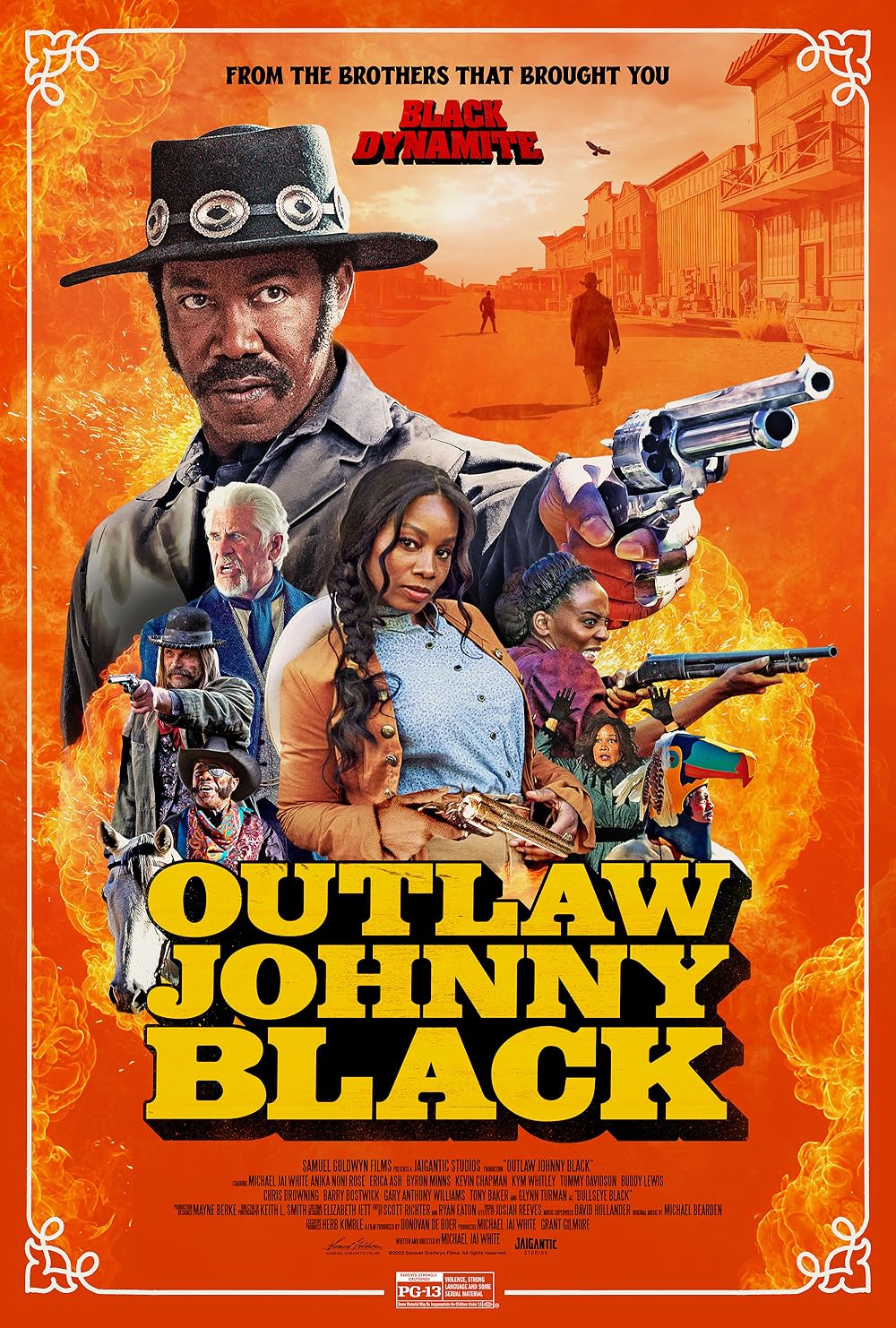
Hell bent on avenging the death of his father, Johnny Black vows to gun down Brett Clayton and becomes a wanted man in the process while posing as a preacher in a small mining town that's been taken over by a notorious Land Baron.

Alarmed by the rate at which the young Black men around her are dying, brash Oakland art student Pica (Toby Smith) attempts to preserve their existence in Polaroid snapshots, along the way forging a friendship with a woman in an abusive relationship (April Barnett) and experiencing love, heartbreak, and the everyday threat of violence.

After being kicked out of her African village three decades earlier for getting pregnant out of wedlock, Linguere (Ami Diakhate) has returned home. While Linguere has done well for herself, her home village has fallen on hard economic times. Intent on punishing Dramaan (Mansour Diouf), the man who fathered her child but refused to own up to the act, Linguere makes a proposal: She will help the town financially, if the locals agree to execute Dramaan.

Despite a political rivalry between their families, Kena and Ziki resist and remain close friends, supporting each other to pursue their dreams in a conservative society. When love blossoms between them, the two girls will be forced to choose between happiness and safety.

Cheryl Dunye plays a version of herself in this witty, nimble landmark of New Queer Cinema. A video store clerk and fledgling filmmaker, Cheryl becomes obsessed with the “most beautiful mammy,” a character she sees in a 1930s movie.

Part psychological horror, part realist drama, this exhilarating debut feature from Shatara Michelle Ford is set against the backdrop of national discussions around inequitable health care and policing, the #metoo movement, and race in America.

This entirely African American-conceived and produced ensemble drama is the result of a collaboration of a pair of pioneering Black artists: writer Ishmael Reed and filmmaker Bill Gunn.

The film takes place in the hilltops of Burundi, where a group of escaped coltan miners form an anti-colonialist computer hacker collective. From their camp in an otherworldly e-waste dump, they attempt a takeover of the authoritarian regime exploiting the region's natural resources – and its people.
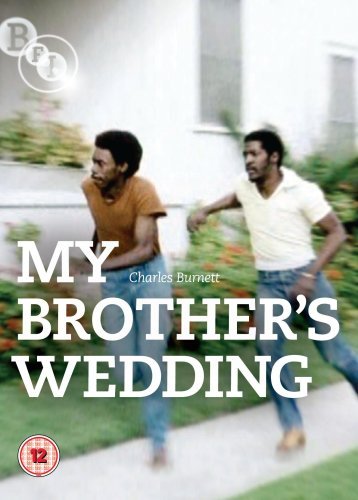
Pierce Mundy works at his parents' South Central dry cleaners with no prospects for the future. With his best friend just getting out of jail and his brother busy planning a wedding to a snooty upper-middle-class black woman, Pierce navigates his conflicting obligations while trying to figure out what he really wants.

In her BAFTA award-winning debut feature, Rungano Nyoni crafts a satiric feminist fairy-tale set in present-day Zambia. When 9-year old orphan Shula is accused of witchcraft, she is exiled to a witch camp run by Mr. Banda, a corrupt and inept government official.

Flirting with the conventions of blaxploitation and the horror cinema, Bill Gunn’s revolutionary independent film GANJA & HESS is a highly stylized and utterly original treatise on sex, religion, and African American identity.

At the dawn of the 20th century, a multi-generational family in the Gullah community on the Sea Islands off of South Carolina – former West African slaves who adopted many of their ancestors’ Yoruba traditions – struggle to maintain their cultural heritage and folklore while contemplating a migration to the mainland.

THE LEGEND OF THE UNDERGROUND exposes the punitive laws in Nigeria that have put an already beleaguered community at increased risk of extortion and violence. Following a group of a young non-conforming Nigerians who have created safe houses for themselves in Lagos and Harlem, the film toggles between the two cities as daily threats endanger the health and safety of a community united across continents.
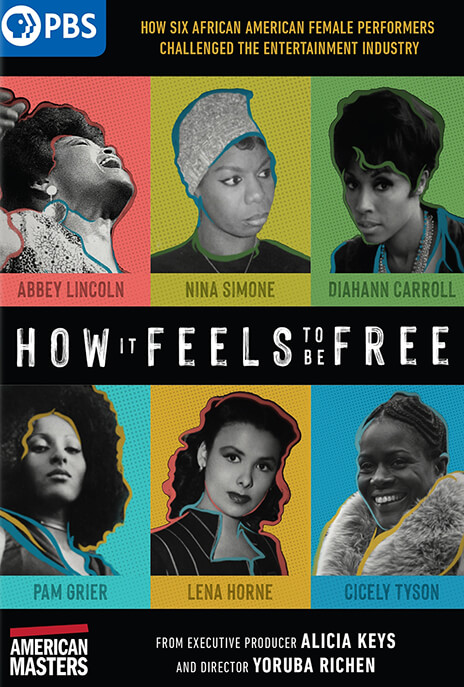
How It Feels to Be Free takes an unprecedented look at the intersection of African American women artists, politics and entertainment and tells the story of how six trailblazing performers—Lena Horne, Abbey Lincoln, Diahann Carroll, Nina Simone, Cicely Tyson and Pam Grier— changed American culture through their films, fashion, music and politics.

In 1952, Ousmane Sembene, a dockworker and fifth-grade dropout from Senegal, began dreaming an impossible dream: to become the storyteller for a new Africa. SEMBENE! tells the unbelievable true story of the father of African cinema, the self- taught novelist and filmmaker who fought, against enormous odds, a 50-year battle to return African stories to African

One of the first "freedom riders," an adviser to Dr. Martin Luther King, Jr. and A. Philip Randolph, organizer of the march on Washington, intelligent, gregarious and charismatic, Bayard Rustin was denied his place in the limelight for one reason - he was gay. This film contributes a fascinating new chapter to our understanding of both progressive movements and gay life in 20th-century America.

SUBJECTS OF DESIRE explores the cultural shift in North American beauty standards towards embracing Black female aesthetics and features while exposing the deliberate and often dangerous portrayals of Black women in the media.

STRANGE FRUIT is the first documentary exploring the history and legacy of the Billie Holiday classic. The song's evolution tells a dramatic story of America's radical past using one of the most influential protest songs ever written as its epicenter.

A compelling documentary about lesbians who discriminate against other lesbians based on gender roles. Director Nneka Onuorah takes an in-depth look at the internalized hetero-normative gender roles that have become all too familiar within the African American lesbian and bisexual community.

This is a story of women who are connected by their love for hip-hop music. Despite the fact that these talented female artists exist within a culture that revolves around self-expression, the subjects of Rachel Raimist’s documentary must struggle to be heard.

Under the neon lights in a gay-friendly neighborhood of New York City, four young African-American lesbians are violently and sexually threatened by a man on the street. They defend themselves against him and are charged and convicted in the courts and in the media as a 'Gang of Killer Lesbians'.

An Oscar-nominated documentary narrated by Samuel L. Jackson, I AM NOT YOUR NEGRO explores the continued peril America faces from institutionalized racism.

This electrifying journey through the public and private worlds of pop culture mega-icon Grace Jones contrasts musical sequences with intimate personal footage, all the while brimming with Jones’s bold aesthetic.
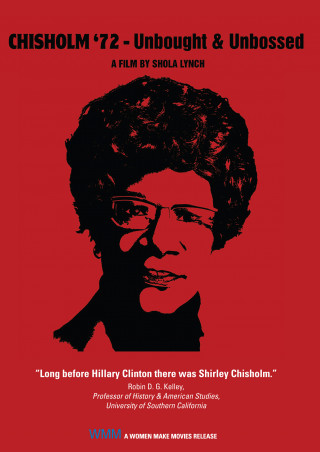
Recalling a watershed event in US politics, this Peabody Award-winning documentary takes an in-depth look at the 1972 presidential campaign of Shirley Chisholm, the first black woman elected to Congress and the first to seek nomination for the highest office in the land.

A fascinating chronicle of hip-hop, urban fashion, and the hustle that brought oversized pants and graffiti-drenched jackets from Orchard Street to high fashion's catwalks and Middle America shopping malls.
MC Library provides both physical media (DVDs) and streaming films. You can search for films (both DVDs and streaming films) using RaptorSearch, or search in an individual streaming media database.
Can't find a resource? MC Library offers multiple ways to request items you want.
Current Montgomery College students, faculty, and staff can borrow materials from any MC Library location with their MC ID card. In addition, these users can access electronic resources, such as e-books, from anywhere by entering their M number when prompted.
Community users (those not currently affiliated with MC) can apply for a community user card, which allows them to borrow materials and use other library resources. Community users are not eligible to use electronic resources from off-campus but can use electronic resources on campus.
Want to learn more? View our other events and special topics guides: